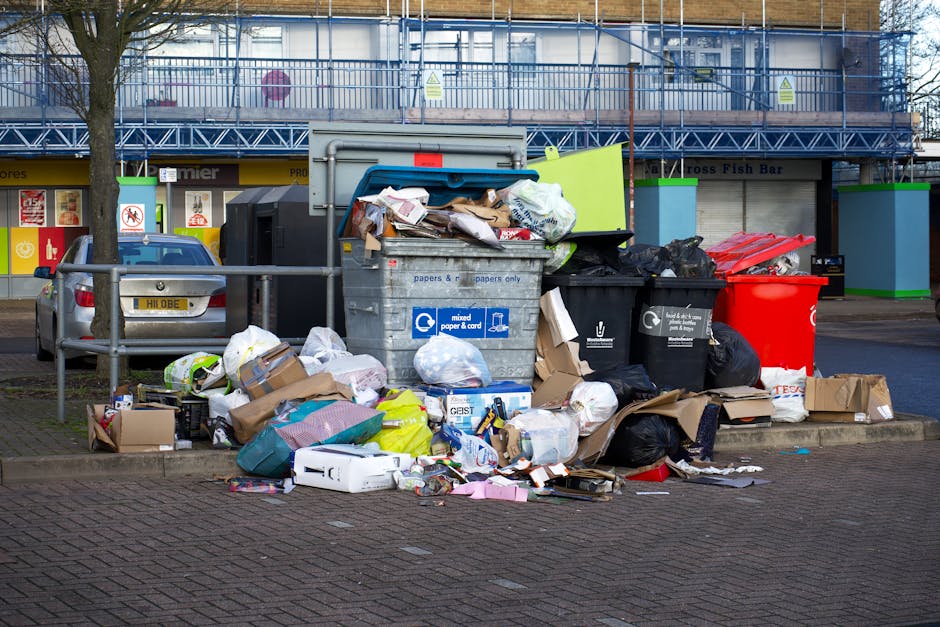
Waltham Forest council rules for bulky rubbish collection: a practical local guide
If you're trying to get rid of an old mattress, a broken wardrobe, or that heavy sofa that somehow became part of the room decor, the Waltham Forest council rules for bulky rubbish collection can feel a bit confusing at first. Fair enough too. Most people only look this up when they're already short on space, time, or patience.
This guide breaks the process down in plain English. You'll learn what bulky waste usually means, how council collections tend to work, what can trip you up, and when it makes more sense to use a professional clearance service instead. If you want a broader look at waste handling and disposal options, you may also find the overview on waste removal useful, and for larger household clear-outs there are dedicated pages for house clearance and home clearance.
Quick takeaway: bulky rubbish collection is usually best treated as a planned service, not a last-minute tip-off. Check what items are accepted, how they need to be presented, whether booking is required, and whether reuse or repair is a better route for anything still usable. Small detail, big difference.
Table of Contents
- Why Waltham Forest council rules for bulky rubbish collection Matters
- How Waltham Forest council rules for bulky rubbish collection Works
- Key Benefits and Practical Advantages
- Who This Is For and When It Makes Sense
- Step-by-Step Guidance
- Expert Tips for Better Results
- Common Mistakes to Avoid
- Tools, Resources and Recommendations
- Law, Compliance, Standards, or Best Practice
- Options, Methods, or Comparison Table
- Case Study or Real-World Example
- Practical Checklist
- Conclusion
- Frequently Asked Questions
Why Waltham Forest council rules for bulky rubbish collection Matters
Bulky waste is not the same as a normal bin bag or a standard recycling sack. Think of items that are too large, awkward, or heavy for regular household collections: sofas, armchairs, wardrobes, tables, mattresses, shelving, some appliances, and other household pieces that no longer have a home in your home.
The rules matter because bulky items can block pavements, create safety issues for crews, and end up rejected if they're presented incorrectly. In practice, that means a missed collection, extra stress, and a cluttered hallway sitting there for another week. Nobody needs that on a damp Tuesday morning.
For Waltham Forest residents, understanding the council's expectations helps you avoid common problems such as:
- booking items that are not eligible for the service
- leaving waste in the wrong place or at the wrong time
- mixing bulky waste with general rubbish, DIY debris, or hazardous materials
- missing collection windows because the items were not ready
It also helps you choose the right route. Sometimes council collection is the most straightforward option. Sometimes it's not. If you have multiple rooms to clear, awkward access, or items that need lifting from upstairs, a dedicated service like flat clearance or furniture clearance may save far more time than trying to piece everything together yourself.
And let's be honest, once bulky waste starts spreading from the spare room into the landing, the whole house seems to shrink a bit.
How Waltham Forest council rules for bulky rubbish collection Works
While exact procedures can change, council bulky collection services in London usually follow a similar pattern. You identify the items, check they are accepted, book a collection, and present them in the approved way. That is the basic rhythm of it.
Here is how the process usually works in practical terms:
- Check the item type. Bulky collections normally cover larger household items rather than loose waste or building rubble.
- Confirm eligibility. Some items may be excluded, limited, or require separate handling because of size, weight, or risk.
- Book a collection slot. Councils commonly use scheduled appointments, often with limited availability.
- Prepare the items. Items usually need to be accessible, safely placed, and ready for removal.
- Follow the presentation rules. That may mean placing items at the boundary, front garden edge, or another specified collection point.
- Keep hazardous items separate. Paints, chemicals, gas cylinders, or sharp materials usually need different handling.
In many homes, the tricky part is not the booking itself. It's the prep. If a wardrobe is still full of clothes, or a bed frame is wedged behind other furniture, the crew may not be able to lift it safely. A bit of preparation goes a long way.
If you're dealing with a bigger clear-out rather than one or two objects, it can help to compare the council route with broader clearance options such as furniture disposal or garage clearance, especially where the pile includes mixed household clutter.
Important practical note: councils usually focus on household bulky items, not builder's rubble, commercial waste, or a full post-renovation mess. Those are different jobs entirely.
Key Benefits and Practical Advantages
Using the council's bulky collection rules properly can make a frustrating task much easier. The obvious benefit is convenience, but there are a few more advantages worth noticing.
- Clear pricing structure. Council services often have a known or published fee pattern, which makes budgeting simpler.
- Lower risk of fly-tipping. If you have a legitimate route ready, you're less likely to be tempted by dodgy shortcuts.
- Less physical strain. Moving a sofa, mattress, or cabinet by yourself is no joke. One awkward twist and your back will remind you for days.
- Better environmental handling. Large items can often be sorted for reuse, recycling, or proper disposal rather than just thrown together.
- More orderly homes. Clearing one bulky item often opens the floodgates. You notice the space again, and the room starts to breathe.
For many households, the biggest practical advantage is simply certainty. When you know the rules, you know what is likely to happen next, and that removes a lot of the guesswork.
If your main goal is to reclaim space quickly, a professional service can also be worth comparing. For instance, furniture disposal is often relevant when the item is still structurally intact but no longer wanted, while loft clearance can be more appropriate where bulky items are trapped in hard-to-reach storage spaces.
Who This Is For and When It Makes Sense
This topic is relevant to a lot of people, not just those in the middle of a full house move. In our experience, bulky rubbish questions pop up at the most ordinary times: after a new sofa arrives, when a tenant moves out, after a family room is rearranged, or when a garage finally gets tackled after months of "we'll sort it next weekend".
You are probably looking for council bulky collection rules if you are:
- getting rid of a single large household item
- clearing out a bedroom, lounge, loft, or garage
- helping a relative downsize
- preparing a rental property between tenancies
- trying to avoid a private skip for just a few items
- managing furniture that is too bulky for normal bin services
It makes sense when the job is fairly contained and the items match the council's accepted list. It makes less sense when the load is mixed, heavy, and awkward, or when speed matters more than a lower-cost route. A one-off mattress is one thing. Three wardrobes, an old fridge, broken shelving, and half a dismantled office? That becomes a different conversation entirely.
For commercial or semi-commercial clear-outs, you may be better served by office clearance or business waste removal, depending on the source and type of waste.
Step-by-Step Guidance
If you want to handle bulky rubbish the sensible way, follow a simple process. It keeps the job tidy and avoids surprise problems on collection day.
- Make a full item list. Walk through the property and note every bulky item you want gone. Be specific. "Old chair" is fine, but "two upholstered armchairs and a footstool" is better.
- Separate bulky items from other waste. Keep builder's debris, food waste, electrical scrap, and hazardous materials away from the bulky pile.
- Check whether items can be reused. If something still works, another route may be better than disposal. A lot of people skip this step, but it can save money and waste.
- Measure anything awkward. Oversized wardrobes, corner sofas, and bed frames can be more troublesome than they look. Doorways lie, basically.
- Look at access. If the item needs to come down stairs, through a narrow hall, or out of a basement, plan the route before collection day.
- Book the service. Whether you use the council or another provider, confirm the collection date, location, and item count.
- Prepare the collection point. Keep the path clear so removal can happen safely and quickly.
- Take photos if helpful. This is especially useful when you're comparing quotes or checking what needs dismantling.
For larger residential jobs, a broader service such as house clearance or home clearance may be more efficient than trying to book multiple small removals. One truck, one visit, done.
And if the item has to be moved by hand, do not be heroic. Furniture wins those battles more often than people admit.
Expert Tips for Better Results
A few practical habits can make bulky collection much smoother. These are the small details that tend to matter most on the day.
- Book earlier than you think you need to. Council slots can fill quickly, especially when households start clearing after weekends or before moving dates.
- Dismantle where sensible. Flat-pack furniture, bed frames, and shelving often take less space and are easier to move if broken down first.
- Keep screws and fixings together. Put them in a labelled bag if there's any chance the item might be reused or recycled.
- Check for hidden value. Sometimes an old cabinet, table, or chair can be donated or repurposed rather than disposed of.
- Photograph problem items. This can help when explaining access issues or confirming what needs to be removed.
- Ask about separation requirements. Some bulky services want items grouped in a particular way, and it's better to know that before the van arrives.
A small thing that helps more than people expect: label what is going and what is staying. A quick bit of masking tape can prevent a proper headache later. Trust me, the wrong item can disappear if everything is stacked in one lump.
If sustainability matters to you, take a look at the company's approach to recycling and sustainability. Even when you are just trying to clear space, it is reassuring to know the waste stream is handled responsibly.
Common Mistakes to Avoid
Most bulky rubbish problems come from avoidable mistakes rather than the service itself. That is the frustrating bit.
- Assuming every large item is accepted. Councils often have specific exclusions, especially for hazardous or specialised waste.
- Leaving collection items in the wrong place. If the team cannot find or safely reach the items, the collection may fail.
- Mixing in unwanted extras. One or two items of the wrong type can complicate the whole job.
- Not measuring access routes. It is a classic mistake. The item fits in the room, but not through the doorway. Happens all the time.
- Forgetting to check restrictions. Weight limits, item counts, and presentation rules may apply.
- Waiting until the last minute. That is how a neat disposal plan turns into a hallway full of furniture and regret.
Another one: people sometimes book the council route for what is actually a mixed clearance job. If there's old furniture plus garden debris plus DIY offcuts, it may be cleaner to separate the streams. A dedicated garden clearance or builders waste clearance approach might be more appropriate for part of the load.
Truth be told, the best way to avoid mistakes is to slow down for ten minutes before booking.
Tools, Resources and Recommendations
You do not need fancy equipment for a bulky collection, but a few basic tools make the process much easier.
- Measuring tape: useful for checking furniture dimensions and access routes
- Marker pen and labels: ideal for separating keep items from discard items
- Strong gloves: helpful when handling dusty, splintered, or awkward furniture
- Screwdriver or Allen keys: handy if furniture needs dismantling
- Tape and bags for fixings: useful if you want to keep a set of parts together
- Phone camera: practical for photos, size checks, and quote comparisons
In terms of service choice, think in categories rather than just price. If your task is mainly one sofa and a mattress, a council collection may be enough. If it is a whole flat, a garage packed to the ceiling, or a mix of furniture and other waste, the more flexible route can save time and repeat bookings.
For a clearer picture of available services, you might compare pricing and quotes with the practical scope of furniture clearance or garage clearance. Different jobs, different levels of effort. Makes sense when you line them up side by side.
Law, Compliance, Standards, or Best Practice
Bulky waste handling sits within broader UK waste best practice, even if the job itself feels very ordinary. The main principles are straightforward: use a legitimate collection route, keep waste types separated where required, and do not leave items in a way that creates obstruction or risk.
Best practice usually includes:
- using a proper collection or disposal service rather than dumping items informally
- making sure waste is described honestly when booking
- separating hazardous items from standard bulky waste
- ensuring access is safe for the crew
- keeping records or confirmation where appropriate, especially for larger jobs
If a business is disposing of bulky items, the standard is typically higher still. Business waste may need more careful documentation and a service aligned with commercial waste responsibilities. That is where business waste removal and office clearance become more relevant than a household-only collection.
There is also a simple safety expectation: crews should be able to remove items without unreasonable risk. Heavy lifting, sharp edges, unstable stacks, and blocked walkways are all avoidable hazards. The cleaner and clearer the setup, the better for everyone involved.
If you are ever unsure whether an item is safe to include, err on the side of caution. That is not being overcareful; it is being sensible.
Options, Methods, or Comparison Table
Choosing the right route depends on what you are moving, how much there is, and how quickly you need it gone. Here is a simple comparison to help you think it through.
| Option | Best for | Typical strengths | Potential drawbacks |
|---|---|---|---|
| Council bulky collection | One-off or small number of large household items | Simple process, local service, often suitable for standard household waste | Limited item types, booking windows, may not suit mixed loads |
| Private bulky clearance | Multiple items, awkward access, time-sensitive clear-outs | Flexible scheduling, more tailored handling, suitable for mixed furniture loads | May cost more depending on scope |
| Reuse or resale | Furniture or appliances still in usable condition | Potentially lowest waste, may save money or support sustainability | Requires time, condition checks, and a buyer or recipient |
| Dedicated room or property clearance | Whole rooms, lofts, garages, or end-of-tenancy jobs | Efficient for larger projects, reduces repeat handling | May be more service than you need for a single item |
In plain English: if the job is small and tidy, the council route may be enough. If the job is messy, mixed, or urgent, a broader clearance service is often the calmer choice.
Case Study or Real-World Example
Picture a typical Saturday in Waltham Forest. A family has finally decided to clear the spare room. There is an old double mattress, a broken desk chair, a wardrobe that has survived three house moves too many, and a chest of drawers with one stuck drawer that nobody wants to fight with again.
At first, they think it is a single bulky collection job. But once they measure the wardrobe and notice that the hallway is narrow and the stairs turn sharply at the landing, the plan changes. The wardrobe needs dismantling before it can be moved safely, and the mattress is fine for bulky collection but the desk chair is too flimsy to bother trying to repair.
They separate the items into three categories:
- items suitable for council bulky collection
- items that could be dismantled for easier disposal
- items that might be reused or donated
That small bit of organisation saves a second booking and a lot of back-and-forth. The room is cleared in one go, the landing is no longer blocked, and the house feels lighter by the evening. Not dramatic, just easier. And sometimes that is what matters most.
For a similar multi-item job, a combined service like house clearance can be a better fit than treating every object separately. If you are dealing with furnishing changes specifically, furniture disposal can also be a neat middle ground.
Practical Checklist
Use this checklist before collection day. It keeps the whole thing calm and avoids those annoying little snags.
- Make a full list of the bulky items you want removed
- Check whether each item is accepted under the chosen service
- Separate bulky waste from general rubbish and hazardous items
- Measure doors, stairs, hallways, and any tight access points
- Dismantle furniture where it is safe and sensible to do so
- Keep fixings and loose parts bagged together
- Confirm the collection time and where items should be placed
- Clear a safe route for removal crews
- Keep pets and children away from the loading area
- Have a backup plan if an item turns out to be too large or unsuitable
If your project spreads beyond a couple of items, you may want to review related services such as loft clearance or garden clearance. Different spaces, different waste streams, slightly different headaches.
Get a free quote today and see how much you can save.
Conclusion
Waltham Forest council rules for bulky rubbish collection are easier to manage once you know what the service is designed for, what it will not take, and how items need to be prepared. The real win is not just getting rid of a sofa or mattress. It is avoiding wasted time, awkward lifting, and a collection that does not go as planned.
Start with the item list, check the access, keep waste types separate, and choose the route that genuinely fits the job. For some households, the council collection is ideal. For others, especially with several items or tricky access, a tailored clearance service will simply be the smoother option. Either way, a bit of planning turns a stressful chore into something manageable.
And once the space is clear, you'll probably notice the room feels different straight away. Quieter, somehow. Better. That's the good bit.
Frequently Asked Questions
What counts as bulky rubbish in Waltham Forest?
Bulky rubbish usually means large household items that do not fit in standard bins, such as sofas, mattresses, tables, wardrobes, and similar furniture. Councils may set their own definitions, so always check the exact item type before booking.
Can I leave bulky items outside for the council to collect?
Usually yes, but only where the service rules allow it and only at the specified collection point. Items normally need to be placed safely and ready for lifting. Do not block pavements, driveways, or shared access routes unless you have been told that is acceptable.
Do I need to book bulky rubbish collection in advance?
In most cases, yes. Council bulky collections are typically appointment-based, not turn-up-and-go. Booking in advance helps avoid missed collections and gives you time to prepare the items properly.
What items are usually not accepted?
Items often excluded include hazardous waste, some electrical or specialist items, builder's rubble, and materials that need separate handling. The exact exclusions can vary, so it is worth checking before you stack everything by the front door.
Is bulky waste collection the same as house clearance?
No. Bulky collection is usually for selected large items, while house clearance covers a broader mix of furniture, household contents, and clutter. If you are clearing several rooms, a full clearance service is often more practical.
How should I prepare furniture for collection?
Empty it, dismantle it if that is safe, and make sure there are no loose fittings causing a hazard. If the item is too large to move in one piece, take it apart where possible. That little bit of effort usually saves time on the day.
What if my item is too heavy or awkward to move alone?
Do not force it. Large items can cause injury if handled badly. If access is tight or the furniture needs moving downstairs, consider a professional clearance service instead of trying to wrestle it on your own.
Can I mix garden waste or builders waste with bulky rubbish?
Usually not. Garden waste and builders waste are often treated as separate streams. If your project includes soil, rubble, branches, or renovation debris, you may need a different service for part of the load.
What should I do with reusable furniture?
If the item is still in good condition, it may be better to reuse, donate, or resell it rather than dispose of it. That can reduce waste and may even save you money. A slightly scratched table might still have years left in it, after all.
How do I know whether council collection or private clearance is better?
Use the council route if you have one or two standard items and the access is straightforward. Choose private clearance if the job is larger, more urgent, includes mixed waste, or involves awkward access such as stairs, lofts, or tight hallways.
Can a clearance team handle a whole flat or office?
Yes, if the service is appropriate for that type of property and waste. For broader jobs, pages like flat clearance and office clearance are often more relevant than a one-item collection.
Where can I learn more about safe and responsible disposal?
For a broader overview of how waste is handled responsibly, the recycling and sustainability information is a useful starting point. It helps you think beyond just removal and consider what happens next.