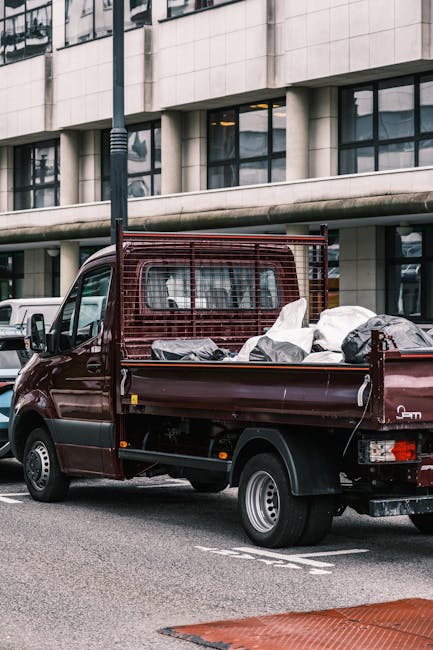
E17 High Street rubbish removal guide Walthamstow
If you live, work, or run a business around E17 High Street, rubbish has a habit of showing up faster than you expect. One skipped bin day, one office clear-out, one flat move, and suddenly the hallway is crowded with broken chairs, bagged waste, cardboard, old appliances, and that odd pile of things you swore you'd sort "next weekend". This E17 High Street rubbish removal guide Walthamstow is here to make the whole process clearer, calmer, and a lot less stressful.
Whether you are clearing a shop storage room, dealing with post-refurbishment waste, or just trying to get a pile of junk out of the way before it becomes a nuisance, the basics are the same: know what you've got, choose the right removal method, check what can legally go, and plan the job properly. Get that part right and, honestly, the rest tends to go much more smoothly.
Below, you'll find a practical local guide covering how rubbish removal works in E17, what to expect, what to avoid, and how to choose a sensible option for your situation. No fluff. Just useful information you can actually use.
Table of Contents
- Why E17 High Street rubbish removal guide Walthamstow Matters
- How E17 High Street rubbish removal guide Walthamstow Works
- Key Benefits and Practical Advantages
- Who This Is For and When It Makes Sense
- Step-by-Step Guidance
- Expert Tips for Better Results
- Common Mistakes to Avoid
- Tools, Resources and Recommendations
- Law, Compliance, Standards, or Best Practice
- Options, Methods, or Comparison Table
- Case Study or Real-World Example
- Practical Checklist
- Conclusion
- Frequently Asked Questions
Why E17 High Street rubbish removal guide Walthamstow Matters
E17 High Street is busy, mixed-use, and always in motion. That matters because rubbish removal in a place like Walthamstow is not the same as tipping a few bags at home and forgetting about it. There are pavements to keep clear, neighbours nearby, shopfronts to consider, and in some cases parking or access constraints that can slow everything down. Even a small job can become awkward if you do not plan it properly.
For residents, this guide is useful because bulky waste, decluttering, and end-of-tenancy clearances often need a quicker solution than standard bin collections allow. For local businesses, the stakes are a bit different. A messy loading area or overflowing waste can affect customer experience, create safety issues, and make the whole front of house feel tired. Nobody wants that smell of damp cardboard hanging around outside a shop door on a wet morning. It lingers, doesn't it?
There is also the practical side. Good rubbish removal helps you avoid unnecessary lifting, repeated trips to the tip, and the classic "I'll deal with it later" pile-up that turns into a genuine problem. In our experience, the people who save the most time are the ones who treat the job as a process, not a one-off scramble.
For a broader view of waste handling and local service planning, you may also find the Walthamstow rubbish removal service overview useful, especially if you are comparing options for a larger clear-out.
How E17 High Street rubbish removal guide Walthamstow Works
At its simplest, rubbish removal means collecting unwanted items from your property and moving them to the right disposal or recycling route. The exact method depends on volume, waste type, access, and how quickly you need it gone.
Most jobs in and around E17 High Street follow a fairly straightforward pattern:
- You identify the waste and estimate how much there is.
- You decide whether it is a household clear-out, commercial waste load, or something mixed.
- You choose the removal method: skip, man and van clearance, council collection, or a specialist service.
- The waste is loaded, separated where possible, and taken away for reuse, recycling, or disposal.
- Any items with extra care needs, such as fridges, mattresses, or electronics, are handled separately if required.
The main thing to understand is that not all rubbish is equal. A stack of flattened cardboard is one thing. Builders' rubble, old paint tins, or a broken freezer are another. Different waste streams may need different handling, and that can change cost, timing, and logistics quite a bit.
If you are dealing with household junk, the process can feel quite personal too. A loft clear-out often turns into a half-hour of memory lane. Old school books, lamps with cracked shades, a bike that has not moved since the last decade. It happens. Then you get back to the job.
For more help with job-specific planning, look at the house clearance service if the waste is coming from a flat, maisonette, or family property. And if your project is linked to building work, the builders waste removal option is usually the better fit.
Key Benefits and Practical Advantages
Good rubbish removal is not just about making things look tidier. It can change how quickly a project moves and how manageable the whole space feels.
1. Faster recovery of usable space
Once the waste is gone, rooms feel bigger immediately. That may sound obvious, but it changes everything from staging a property to reopening a stockroom.
2. Less physical strain
Lifting heavy or awkward waste is where many DIY clearances become miserable. A two-person lift down a stairwell in a narrow E17 terrace? Not fun. Not really.
3. Better presentation
For shops, cafes, and offices along High Street, clean frontage matters. A clear entrance says more than most people think.
4. Fewer repeat trips
Hiring or arranging one proper collection is often more efficient than several partial loads. It can also reduce disruption for neighbours and customers.
5. More sensible waste sorting
Professional or well-planned removal often improves recycling and reuse outcomes because items can be separated at source instead of mixed together.
6. Lower risk of errors
When you know which items need special handling, you are less likely to accidentally put restricted waste in the wrong stream. That matters for compliance and peace of mind.
There is also a quieter benefit: mental relief. A cleared space reduces decision fatigue. You stop stepping around the same three bags every morning. Small thing, big difference.
Who This Is For and When It Makes Sense
This guide is relevant to a wide range of people in the E17 High Street area. You may need rubbish removal if you are:
- moving out of a flat or house and need a fast clear-out
- renovating a property and have rubble, packaging, and old fixtures
- running a shop, cafe, salon, or office with recurring waste pressure
- handling probate, bereavement, or a relative's property clearance
- decluttering before sale or letting
- dealing with bulky items that will not fit in normal bins
- sorting a garage, shed, loft, or storage room that has quietly filled up over years
It makes sense to use a removal service when the waste is too large, too awkward, too urgent, or too messy for a standard collection. Sometimes the real question is not "Can I move it myself?" but "Do I actually want to spend my Saturday doing that?" Fair question, to be honest.
If you are not sure whether your job fits a clearance service, a quick look at the office clearance service or the broader commercial waste removal page can help you work out which route is most sensible.
Step-by-Step Guidance
Here is a practical way to approach rubbish removal in E17 without making it harder than it needs to be.
1. Sort the waste into rough categories
Start with broad groups: general junk, furniture, electrical items, green waste, building debris, and anything potentially hazardous. You do not need to create a museum catalogue, just enough order to avoid surprises later.
2. Identify awkward or restricted items
Fridges, freezers, TVs, mattresses, paint, solvents, and certain electricals may need separate handling. If you are unsure, pause and check rather than guessing. Guessing is how jobs get delayed.
3. Measure the volume
Volume matters because removal is usually priced or planned based on how much space the waste takes. A small pile of dense rubble can weigh far more than it looks, while bulky cardboard can fill a van in a flash.
4. Check access
Think about stairs, narrow halls, parking, loading points, and whether items need to be carried through shared areas. Around High Street, access can be the thing that changes a simple job into a fiddly one.
5. Choose your method
Match the job to the method. A few bags may suit a small collection. A full flat clear-out may need a larger team. Builders' waste after a refit may need a more specialised load.
6. Prepare the items
Where possible, bag loose waste, remove personal items, and separate recyclables. If you are clearing a business unit, keep any records, stock, or equipment you still need well away from the waste pile. Sounds obvious. It is, but people forget when they are in a rush.
7. Confirm what happens next
Before collection, make sure you understand where the waste is going, whether any items will be reused or recycled, and whether you need to be present. That little bit of clarity saves a lot of back-and-forth.
8. Do a final sweep
Walk the space once the removal is complete. Check corners, shelves, behind doors, under stairs. There is always one item that tries to hide. Always.
Expert Tips for Better Results
Over the years, one pattern shows up again and again: the best rubbish removal jobs are planned just enough to avoid chaos, but not so much that they become a project in themselves.
Tip 1: Clear the path first. If the route out is tight, remove obstacles before collection day. A clear hallway can save serious time.
Tip 2: Keep the good stuff separate. In mixed clearances, items that can be reused or donated should not get buried under general rubbish. Once it is mixed, it is harder to sort.
Tip 3: Photograph awkward loads. A couple of quick photos help when you are asking for a quote or explaining access issues. Nothing fancy, just practical.
Tip 4: Be honest about weight. A load that looks light may be dense enough to affect planning. Builders' rubble and soil are classic examples.
Tip 5: Think about timing. Early collections can be easier around High Street, especially where parking or customer footfall is a factor. Midday can be awkward, depending on the frontage.
Tip 6: Don't overfill bags. Overstuffed sacks tear, spill, and make lifting risky. Better to use one more bag than one broken one.
One small practical note: if you have a stubborn item, like a wardrobe that won't fit through the door, measure before moving. A five-minute check beats a twenty-minute wrestling match in a stairwell. Ask anyone who has done a flat clearance in the rain.
Common Mistakes to Avoid
Most problems in rubbish removal come from the same few mistakes, and they are very avoidable.
- Mixing everything together: This makes sorting harder and can increase the chance of incorrect disposal.
- Underestimating the volume: A small pile can grow quickly once you start moving things.
- Ignoring access issues: Stairs, parking, and narrow entryways can be the difference between simple and stressful.
- Leaving hazardous items until the end: They often need special attention and should not be treated like general junk.
- Forgetting building or landlord rules: Shared properties may have specific requirements for waste handling and access.
- Leaving the booking too late: Last-minute jobs are possible, but they are rarely the most relaxed option.
Another one, and this catches people out: assuming every waste item can go in the same load. Not always. Sometimes that shortcut becomes the reason a clearance stalls or needs reworking.
Tools, Resources and Recommendations
You do not need fancy gear for a basic rubbish removal job, but a few simple tools make the process less clumsy.
- Heavy-duty bags or rubble sacks: Better than thin bin bags for bulky or sharp waste.
- Gloves: Useful for broken materials, dusty lofts, and old furniture.
- Tape measure: Handy for doors, stair widths, and oversized items.
- Trolley or sack barrow: Helpful for heavier loads if access allows.
- Labels or markers: Good for separating items that need special treatment.
- Basic cleaning supplies: A broom, dustpan, and cloths can help finish the job properly.
For readers comparing wider services, these pages may be useful next steps:
- garden clearance if the waste is mainly green cuttings, soil, or outdoor clutter
- end of tenancy cleaning if a property needs to be left in stronger condition after clearance
- contact us if you want to ask about access, timing, or the best type of service
A small warning, but a helpful one: do not rely on household bags for everything. Wet waste, sharp edges, or heavy mixed debris can tear a bag open in seconds. Bit of a nuisance, that.
Law, Compliance, Standards, or Best Practice
Waste removal in London should always be approached with care, because once rubbish leaves your property, it still needs to go somewhere lawful and sensible. You do not need to become a waste law expert, but you do need to follow normal best practice.
That usually means:
- using a properly authorised waste carrier where required
- keeping waste streams separate where practical
- avoiding fly-tipping, which can create serious problems for everyone involved
- disposing of electrical items, fridges, chemicals, and other special waste correctly
- being careful with waste from commercial premises, which may have different expectations than domestic rubbish
If you are hiring a service, it is sensible to ask how the waste is handled and whether items are taken to appropriate transfer or recycling facilities. A reputable provider should be able to explain this plainly. No drama, no jargon wall.
For businesses near High Street, good waste practice also means keeping loading areas tidy, reducing spill risk, and avoiding obstruction of shared access routes. That is as much about being a decent neighbour as it is about compliance.
And if you are handling anything unusual - paint, oils, sharps, or suspect materials - stop and get proper guidance. Better to pause than to guess wrong.
Options, Methods, or Comparison Table
There is no single best rubbish removal method for every job. The right choice depends on the scale of the waste, your access, your timeframe, and how much effort you want to put in yourself.
| Method | Best for | Strengths | Limitations |
|---|---|---|---|
| Council collection | Smaller items and standard bulky waste | Useful for simple disposals and routine needs | May involve waiting, item limits, or booking rules |
| Man and van clearance | Mixed household or business clear-outs | Flexible, quicker, and often less disruptive | Access and loading details must be clear |
| Skip hire | Projects with ongoing waste over several days | Handy for renovations and phased work | Needs space and careful planning around placement |
| Specialist removal | Heavy, awkward, or regulated items | Better handling of specific waste types | May cost more depending on the item and logistics |
If you are deciding between these, ask yourself one question: do you need convenience, speed, or the lowest possible cost? Usually you only get to optimise for one of those two or three at a time. Life is irritating like that.
Case Study or Real-World Example
Here is a realistic scenario from the kind of job many people around E17 High Street face. A small retail unit had accumulated stock boxes, broken shelving, old display materials, and a few items of unwanted office furniture after a back-room reorganisation. Nothing dramatic on its own, but enough to block storage access and make the area feel cramped.
The first step was simple sorting. Cardboard was separated from mixed waste, reusable fixtures were kept aside, and the heavier bits were identified early. Access was checked through the rear route because the front entrance would have been awkward during busy hours. That one decision saved a lot of shuffling around customers.
The team then removed the waste in stages: loose material first, then bulky items, then a final sweep for dust and forgotten bits behind the shelving. The result was not just a tidier space. The back room became usable again, and staff no longer had to weave around piles every time they needed stock.
What stands out in jobs like this is how often the real win is not the rubbish itself, but the regained space and calmer day-to-day flow. That matters more than people expect.
For similar clearances, a focused service page such as garage clearance can also help if the clutter is mainly stored household overflow rather than business waste.
Practical Checklist
Use this quick checklist before collection or clearance day.
- Identify the main waste types
- Separate any electrical items, heavy debris, and hazardous materials
- Measure large items and check door widths if needed
- Clear access routes through hallways, stairs, or loading areas
- Confirm parking or stopping arrangements if relevant
- Bag loose waste securely
- Remove personal documents, valuables, and anything you want to keep
- Ask how recycling and disposal will be handled
- Double-check timing, contact details, and entry instructions
- Do one final sweep after the job is complete
Quick takeaway: the smoother the prep, the smoother the removal. Nothing glamorous there, but it really is the difference between a tidy handover and a stressful scramble.
Conclusion
A good rubbish removal plan around E17 High Street is really about three things: clarity, access, and choosing the right method for the waste in front of you. Get those right and even a messy clear-out becomes manageable. Leave them vague and the whole thing tends to turn into a bigger task than it needed to be.
Whether you are clearing a flat, emptying a shop back room, or sorting out the aftermath of a refurb, the smartest approach is the one that matches the job rather than forcing the job to match the service. That saves time, reduces stress, and usually keeps the whole process more orderly.
If you are still weighing up your options, take a moment to compare the access, volume, and urgency of the waste before booking. A little planning now can save a lot later. And once the space is clear, the relief is immediate - quiet, practical, very real.
Get a free quote today and see how much you can save.
Sometimes the best thing you can do is simply make room again. Fresh space, fresh head, and a job properly done.
Frequently Asked Questions
What does rubbish removal in E17 High Street usually include?
It usually includes collecting and removing unwanted household, office, or light commercial waste from the property. Depending on the service, that can cover furniture, bagged rubbish, cardboard, appliances, and mixed junk. Some items may need separate handling, so it is worth checking before booking.
Is rubbish removal better than hiring a skip in Walthamstow?
It depends on the job. Rubbish removal is often better for quick clearances, awkward access, or mixed loads. Skip hire can make sense for longer projects where waste builds up over several days. If you want less lifting and less time managing the waste yourself, removal is often the easier option.
Can I get rid of bulky items like sofas or wardrobes?
Yes, bulky items are commonly part of rubbish removal jobs. Sofas, wardrobes, tables, beds, and chairs are often collected as part of house clearance or bulky waste services. Just make sure access is clear and the item size is mentioned upfront.
What should I do with electrical items and white goods?
Electrical items such as TVs, microwaves, and kettles, plus white goods like fridges and freezers, should be handled carefully. They may need separate processing. It is best to flag them before collection so they can be dealt with properly.
How do I know if my waste is commercial or domestic?
If the waste comes from a home, it is usually domestic. If it comes from a shop, office, cafe, salon, workshop, or similar business premises, it is generally commercial. Mixed jobs do happen, though, so explain the full picture when you enquire.
Do I need to sort my rubbish before collection?
Some sorting helps a lot, especially for recyclables, heavy items, and anything unusual. You do not need perfect organisation, but separating obvious categories usually makes the job faster and can make disposal more efficient.
How long does a typical rubbish removal job take?
Small jobs may take very little time once access is clear. Larger clearances can take longer, especially if items are upstairs, mixed, or awkward to move. The collection itself is often quicker when the waste is already grouped and ready.
What happens to the rubbish after it is collected?
It is normally taken to the appropriate disposal, transfer, or recycling route depending on the waste type. Reusable items may be separated where possible, while recyclable materials are often sorted out if the load allows. A good provider should be able to explain this in plain English.
Can rubbish removal help after a tenancy ends?
Yes. End-of-tenancy rubbish removal is very common, especially when tenants are moving quickly or landlords need a property cleared before cleaning or inspection. It can be combined with a cleaning service if the place needs more than just waste taken away.
What details should I give when asking for a quote?
Tell them what the waste is, roughly how much there is, whether there are stairs or narrow access points, whether any items are heavy or hazardous, and when you need the job done. A few photos can also help give a more accurate estimate.
Is it safe to leave rubbish outside on the pavement?
No, not as a general rule. Leaving waste on the pavement can obstruct pedestrians, cause complaints, and create extra risk. It is much better to keep items inside or in a controlled area until collection is arranged.
What if I am not sure whether an item can be removed?
Ask first. That is the safest approach. Unusual items like chemicals, paint, sharps, or damaged electricals should not be treated as ordinary rubbish. If in doubt, describe the item rather than guessing.