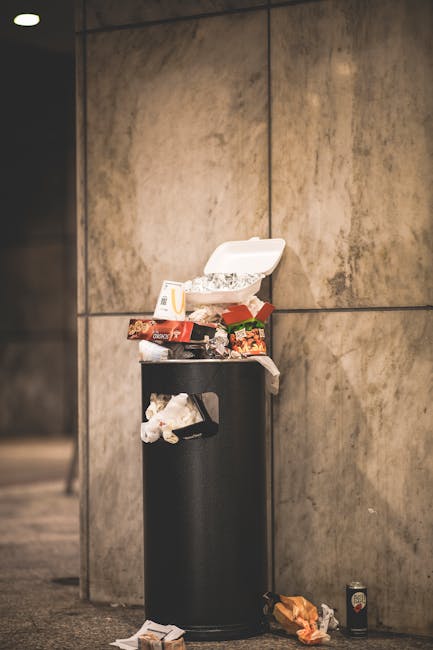
Dealing with rubbish left after tenancy in Walthamstow

If you have just walked into a flat, maisonette, or rental house and found bags of junk, broken furniture, or a half-cleared loft staring back at you, you are not alone. Dealing with rubbish left after tenancy in Walthamstow can be messy, frustrating, and oddly time-sensitive all at once. The place may need to be handed back, re-let quickly, or made safe for cleaners and repairs. And let's face it, the last thing anyone wants after a tenancy ends is a mountain of unwanted stuff.
This guide explains what usually counts as tenancy rubbish, how removal works in practice, what to check before you start, and how to avoid the common mistakes that slow everything down. It is written for landlords, tenants, letting agents, and property managers who need a clear, realistic plan rather than vague advice. You will also find a practical checklist, a comparison table, and a few grounded tips that make the process smoother.
Why Dealing with rubbish left after tenancy in Walthamstow Matters
Post-tenancy rubbish is rarely just an eyesore. It can delay cleaning, stop decorators from starting, create smells, attract pests, and make a property look far worse than it actually is. In a busy rental market, a few days can matter. If a landlord wants a speedy turnaround, or a tenant wants to return keys without unnecessary disputes, rubbish removal becomes part of the handover, not an afterthought.
There is also the practical side. A property might contain a mixed pile of items: bin bags, old clothes, unwanted kitchenware, damaged chairs, carpet offcuts, cardboard, and the odd thing nobody can identify at first glance. That is normal. People move out in a rush, or the end of a tenancy becomes more complicated than expected. It happens more often than people admit.
In Walthamstow, where many homes are flats, shared houses, or compact terraces, bulky waste can be awkward to store and even harder to remove without a plan. Hallways, stairwells, and narrow entrances make the job more sensitive. One missed bag by the front door can become a neighbour complaint by tea time.
Expert summary: The faster you identify what needs removing, what can stay, and what needs specialist handling, the easier the whole tenancy handover becomes. Clear sorting saves time, cuts stress, and reduces avoidable costs.
How Dealing with rubbish left after tenancy in Walthamstow Works
The process usually starts with a quick assessment. You look at the property room by room and separate items into a few simple groups: general rubbish, bulky household waste, reusable furniture, electrical items, garden waste, and anything that may need careful handling. It sounds basic, but a five-minute sort often saves an hour later. Truth be told, the sorting stage is where most of the real work happens.
Once you know what is there, you can choose the right route. Some people manage a small amount of bin-bag waste themselves. Others need a fuller clearance because the property contains furniture, white goods, loft clutter, or leftover possessions from a tenant who has already moved out. In that case, a professional waste removal service or a more specific clearance route may be the sensible option.
The next step is deciding whether items should be reused, recycled, or disposed of. If there is a sofa in decent condition, for example, it may make more sense to remove it carefully rather than smash it apart. If the tenancy ended after a long stay, you may also find mixed items in storage spaces such as lofts, garages, or spare rooms. That is where targeted services like loft clearance or garage clearance can be useful.
After the load is collected, the final stage is making the property presentable for the next step, whether that is cleaning, inventory checking, repairs, or re-letting. If furniture is left behind, you may want to look at furniture disposal or furniture clearance options rather than trying to move awkward pieces piece by piece.
Key Benefits and Practical Advantages
There is a reason people take tenancy clearances seriously. The benefits are not abstract; they are immediate and visible.
- Faster turnaround: A clear property can be cleaned, repaired, and re-let sooner.
- Less dispute risk: Documenting what was left behind helps reduce arguments later.
- Safer access: Removing clutter lowers the risk of trips, blocked exits, and damaged flooring.
- Better presentation: A clean, empty space photographs better and feels more inviting.
- More efficient recycling: Good sorting means more items can be reused or diverted from landfill.
There is also a surprisingly emotional benefit. If you have ever opened a property after a difficult move-out and found it mostly under control, you will know the relief. It changes the tone of the whole day. Instead of dreading what is behind the next door, you can actually get on with the job.
For landlords and agents, this matters commercially. For tenants, it matters because a clean exit can help preserve goodwill and avoid an unnecessary back-and-forth. For both sides, it makes the transition feel more professional and less chaotic.
Who This Is For and When It Makes Sense
This kind of clearance is not only for landlords dealing with a difficult move-out. It can help in several everyday situations:
- Landlords who need a property emptied before cleaning or refurbishment.
- Tenants who are clearing out at the end of a lease and need to leave things tidy.
- Letting agents handling end-of-tenancy handovers or inventory issues.
- Property managers dealing with left-behind items after an accelerated move.
- Relatives or executors who need to clear a rental after someone moves on.
It also makes sense when the property contains more than the household bins can handle. A small amount of waste may be manageable. But once there are bags, old mattresses, broken shelving, and a few bits of damp cardboard clinging together in the corner, it becomes a different job altogether.
One useful rule of thumb: if you are spending more time deciding where to put the rubbish than actually clearing it, you probably need a better system. Slightly obvious, maybe. Still true.
Step-by-Step Guidance
If you want a straightforward approach, use this sequence. It keeps the job calm and much more organised.
- Inspect every room. Check cupboards, under beds, lofts, sheds, garages, and communal areas.
- Separate items. Group rubbish, reusable belongings, electricals, furniture, and anything requiring care.
- Photograph the property. Useful for records, especially if there may be a tenancy dispute.
- Remove obvious waste first. Bin bags, loose packaging, and lightweight clutter are easiest to clear quickly.
- Plan for bulky pieces. Sofas, wardrobes, tables, and old appliances may need extra handling.
- Decide what should be recycled. If you have cleaner items, ask whether they can be separated for reuse or recycling.
- Choose a clearance method. Self-clearance, a skip, or a professional team all have different advantages.
- Finish with a final sweep. Check skirting boards, behind doors, and inside cupboards. Tiny things get missed there all the time.
If the property is a flat, especially in a block with shared access, pay attention to lift use, stairwells, and loading restrictions. A rushed carry-down can lead to scuffed walls or a grumpy neighbour at the worst possible moment. If the job is bigger than expected, a broader flat clearance or even house clearance approach may be more efficient than piecemeal removal.
Expert Tips for Better Results
These are the small things that make a clear difference.
- Do a quick walkthrough before lifting anything. You may find keys, documents, medication, or items that clearly should not be thrown away.
- Keep a "retain" pile. If an item might belong to the tenant, separate it rather than guessing.
- Use bags by room. It sounds simple, but room-by-room labelling makes the end stage easier.
- Protect floors and corners. Tape down moving blankets or use runners if the property is freshly decorated.
- Check for hidden waste. People often forget garden sheds, cupboards under the stairs, and loft hatches.
When dealing with mixed items, it often helps to think in terms of what can be reused versus what must go. A service such as home clearance can be practical where the left-behind rubbish is spread across several rooms rather than concentrated in one pile.
And here is a small but useful one: if a room smells damp, stale, or just a bit off, check soft furnishings and hidden corners before you start loading. That smell is often telling you where the neglected stuff is hiding. Not glamorous, but very real.
Common Mistakes to Avoid
Most end-of-tenancy clearances go wrong in the same few ways. Avoid these and you are already ahead.
- Ignoring the loft or garage. These spaces often contain the bulk of the hidden mess.
- Throwing away documents or valuables. Always check pockets, drawers, and bags first.
- Assuming all waste is the same. Builders' debris, furniture, and household rubbish are not always handled in the same way.
- Leaving the final sweep too late. Tiny leftover items make a property feel unfinished.
- Underestimating access problems. Narrow stairs, parking limits, and shared entrances can slow everything down.
Another common slip is trying to force everything into one removal method when the property clearly needs a mixed approach. For example, old office items in a live-work rental may be better treated as part of an office clearance style job, while broken renovation leftovers belong more naturally with builders waste clearance.
There is no prize for doing it the hardest way. Sometimes the smart move is simply the less dramatic one.
Tools, Resources and Recommendations
You do not need a huge toolkit, but a few basics make tenancy rubbish removal much smoother.
- Heavy-duty bin bags for mixed light waste and small items.
- Gloves for general handling and protection from dirt or broken fragments.
- Labels or marker pens for sorting piles by room or priority.
- Box cutters and tape for flattening cardboard and sealing loose bags.
- Dust sheets or moving blankets to protect floors and stair edges.
- Phone camera for before-and-after photos and simple records.
For many people, the most useful resource is not a tool at all but a clear plan. If the property contains a mix of items and you want to avoid multiple trips, a dedicated clearance service can simplify the whole thing. It can also be worth checking the company's wider approach to recycling and sustainability, especially if the tenancy has left behind a lot of reusable material.
Where payment and booking are involved, it is sensible to review the details carefully and make sure everyone understands what is included. Small misunderstandings cost time. Time, in property handovers, is often the thing you can least spare.
Law, Compliance, Standards, or Best Practice
When rubbish is left after a tenancy, it is wise to treat disposal carefully rather than casually. In the UK, waste should be handled through lawful and responsible routes, and householders, landlords, and businesses all have a part to play in that. The exact obligations can vary depending on who owns the waste, who arranged the removal, and what type of waste it is.
Best practice usually means a few simple things: keep records where appropriate, separate reusable items where possible, avoid fly-tipping or unofficial dumping, and use a properly managed removal route. If waste is mixed with items that could be hazardous, sharp, damp, or contaminated, take extra care. That is not the time to improvise.
If a tenancy included renovation work, some of the leftover material may overlap with construction debris. In those cases, a service like builders waste clearance can be more suitable than general rubbish removal. If the property has become cluttered over time with everyday waste, furniture, or mixed household items, broader waste removal may be the cleaner fit.
From a practical compliance point of view, it is also smart to document the condition of the property before and after clearance. Photos, notes, and a simple inventory trail can make later conversations far easier. No one enjoys that call three days later asking what happened to the kettle, trust me.
You may also want to review business terms, pricing clarity, and safety expectations before work starts. Pages such as terms and conditions, insurance and safety, and health and safety policy are useful indicators that a provider takes the job seriously.
Options, Methods, or Comparison Table
There are a few ways to deal with end-of-tenancy rubbish. The right one depends on how much there is, what shape it is in, and how quickly you need the property ready.
| Method | Best for | Pros | Watch-outs |
|---|---|---|---|
| Self-clearance | Small amounts of light rubbish | Simple, low-cost, flexible | Time-consuming; can be awkward with bulky items |
| Skip hire | Larger loads and repeated filling | Useful for ongoing access | Needs space, permits may be needed in some situations, lifting is still on you |
| Professional waste removal | Mixed waste, furniture, tight deadlines | Quick, less manual effort, often easier for flats | Can cost more than doing it yourself |
| Specialist clearance | Heavy clutter, specific room types, or mixed property contents | Better fit for lofts, garages, offices, or full homes | Needs accurate description of the load |
If the tenancy has left behind furniture that is still usable, a dedicated furniture clearance or furniture disposal route may be more efficient than a general rubbish-only approach. It all depends on the mix, really.
Case Study or Real-World Example
A typical local scenario goes like this. A landlord in Walthamstow regains access to a two-bedroom flat after a tenancy ends. The main rooms are mostly empty, but the kitchen still contains broken chairs, loose packaging, several bin bags, and an old microwave. The bedroom cupboard has a few forgotten personal items. The loft hatch reveals more clutter than anyone expected. Classic.
Instead of trying to tackle it all at once, the landlord separates the obvious personal belongings, photographs the remaining items, and makes a list by room. The kitchen waste and furniture are removed first, the loft is cleared next, and the flat is then ready for deep cleaning. Because the access route was checked in advance, there were no surprises with the stairs or parking. That one little step saved a lot of grumbling later.
What made the difference was not brute force. It was order. The right approach, a sensible sequence, and a decision to use the correct clearance type for the job. Small things, but they add up.
Practical Checklist
Use this before you hand the property back, clean it, or book removal.
- Walk through every room, cupboard, loft, and storage area.
- Separate personal belongings from rubbish.
- Set aside anything valuable, legal, or sensitive.
- Take photos before anything is moved.
- Identify bulky furniture, appliances, and mixed waste.
- Check access, parking, stairs, and lift restrictions.
- Decide whether the job needs general waste removal or a more specific clearance.
- Keep floors and walls protected while carrying items out.
- Finish with a final sweep, especially behind doors and under furniture.
- Confirm the space is ready for cleaning, repair, or inventory inspection.
If you are dealing with a large or awkward pile, it may also help to compare your options against pricing and quotes so you can choose with confidence rather than guesswork.
Get a free quote today and see how much you can save.
Conclusion
Dealing with rubbish left after tenancy in Walthamstow does not have to be chaotic. Once you sort the space properly, choose the right removal method, and keep an eye on access and records, the whole task becomes much more manageable. That is usually the point where the stress starts to drop. You can see the floor again. You can breathe a bit easier.
Whether you are a landlord trying to turn the property around, a tenant aiming to leave things tidy, or an agent dealing with a handover that has gone a little sideways, the same principle applies: stay organised, move calmly, and do not leave hidden clutter for later. Later has a funny habit of becoming a bigger problem.
If you need a service that understands local property types, mixed household waste, and the realities of end-of-tenancy clearance, a careful, well-planned approach is almost always the best outcome. And to be fair, a neat finish just feels better all round.
Frequently Asked Questions
What counts as rubbish left after tenancy?
It usually includes bin bags, broken furniture, unwanted household items, packaging, old appliances, and anything the tenant has not taken with them. Sometimes it is obvious; sometimes it is half-hidden in cupboards or lofts.
Who is responsible for clearing rubbish after a tenancy?
That depends on the tenancy agreement, the condition of the property, and what was left behind. In practice, landlords, tenants, and agents should all check the terms carefully before assuming who needs to act.
Can I put tenancy rubbish out with the normal bins?
Small amounts may be handled through regular household waste if they fit local collection rules, but bulky items, large quantities, and mixed waste usually need a different solution.
What should I do with left-behind furniture?
Check whether it is reusable, recyclable, or genuinely ready for disposal. If it is bulky or awkward, a dedicated furniture route is often simpler than trying to move it yourself.
How quickly can a property be cleared after a tenant leaves?
It depends on the volume and type of rubbish, access to the property, and how organised the sorting is. A small flat can be simpler than a cluttered house, but not always.
Do I need to check the loft and garage too?
Yes. Hidden storage areas are where a lot of end-of-tenancy clutter turns up. More than a few jobs have looked "mostly done" until somebody opened a loft hatch.
Is it worth separating recycling from general waste?
Yes, if you can do it safely and without delaying the clearance. Good sorting can reduce waste and make disposal more efficient.
What if the rubbish includes damaged or dirty items?
Handle them with extra care. Bags that are torn, damp, or contaminated should be moved carefully, and anything sharp or hazardous needs added caution.
Should I take photos before removing the rubbish?
Definitely. Photos help with records, tenancy discussions, and general proof of condition. They are simple to take and can save awkward conversations later.
What is the difference between waste removal and clearance?
Waste removal is usually about taking away rubbish and mixed discarded items. Clearance often suggests a broader job, where rooms, lofts, garages, or whole properties are emptied more fully.
How do I avoid disputes over items left behind?
Sort carefully, document what you find, and separate personal belongings from rubbish before anything is thrown away. A calm, methodical approach works better than a rushed one, every time.
When should I ask for professional help?
If the property contains bulky furniture, too much waste for ordinary bins, access problems, or a tight turnaround, professional help is usually the practical choice. It saves effort and reduces the chance of mistakes.
If you want a cleaner handover and less stress at the end of a tenancy, start with a proper room-by-room sort and a clear plan. Small steps, done well, make the whole job feel lighter.